Health/burn: Nutrition
Showing posts with label Nutrition. Show all posts

Build Your Burn

 Most people will look to cut weight at some point in their fitness journey. Whether you are cutting for a competition, looking to lose 50lbs, or somewhere in the middle, the basics are the same. From the gym to the kitchen table to your supplement stash, here's the info on what it takes to drop fat and get lean. We've got the tools and information you need for healthy weight loss success.

Kick Up The Intensity

Step one is to get moving. No matter your fitness level we have the perfect fat loss workout plans from top industry experts and trainers to help you reach your weight loss goals. 

  • Beginners: If you're ready to get in shape but not sure where to start, Transformed is a great starting point. This guided, complete transformation journey covers every angle of fitness, from exercise to nutrition to supplements. It isn't just a short-term diet and workout plan—you'll learn healthy habits you can keep for life.

  • Intermediate: If you’ve been putting in work at the gym for a while and now it's time to reveal the definition, Blueprint to Cut is for you. When it's time to uncover your hard work for a contest, a big event, or just because, this classic cutting plan will help you lean out in 8 weeks.

  • Advanced: If you already have a solid workout foundation and want to get (or stay) lean without having to greatly restrict calories or do heaps of monotonous cardio, then Chiseled is for you. Fitness model and athlete Kizzito Ejam is known for being shredded 365 days a year. He designed this sustainable fat loss program to keep his body in shape for the long haul. 

If you’re happy with your current workout split but want to layer in some extra cardio, Hannah Eden’s 10 Minute Meltdown is a great choice. In just 10 minutes a day you can kick up the calorie burn first thing in the morning, on your lunch break, or after work. Even on your busiest days, you can work in a quick burner. 

Abs Are Made In The Kitchen

It might be a bit cliche but it’s absolutely true. You can’t outwork a bad diet. The key to losing weight is simple: keep your calories in lower than your calories out. Seems easy, right? Well, if that was the case then we’d all be rocking six pack abs. In reality, it’s often difficult to get that ratio down. To dial it in, you need to know how many calories you need each day to maintain, then determine how many calories you burn from exercise, and then determine what meal plan will help you get 

Not sure how to get started on a meal plan? Check out our top nutrition articles to help you land on the ideal diet for your goals. Or, for an even easier option, check out a meal delivery kit like Flex Pro Meals to take the guesswork out of meal planning. 

Stack The Deck

Once you’ve landed on a solid workout program and meal plan, the next step is to layer in a few key supplements to help you accelerate your weight loss.  

Whey Protein 

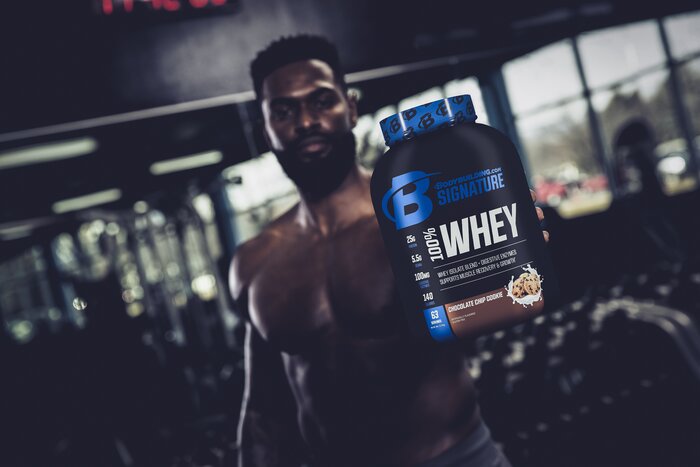
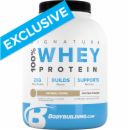
Having a whey protein supplement while losing weight can play a huge role in your success. Whey protein helps give you the needed nutrients (Protein & Amino Acids) for your muscles to recover after those tough workouts without adding a lot of calories and carbohydrates to your diet. It may also help you feel fuller for longer periods of time. For a great option, check out the Signature Whey Protein! It has 25 grams of protein and 130 calories per serving. 

Fat-Loss Supplement

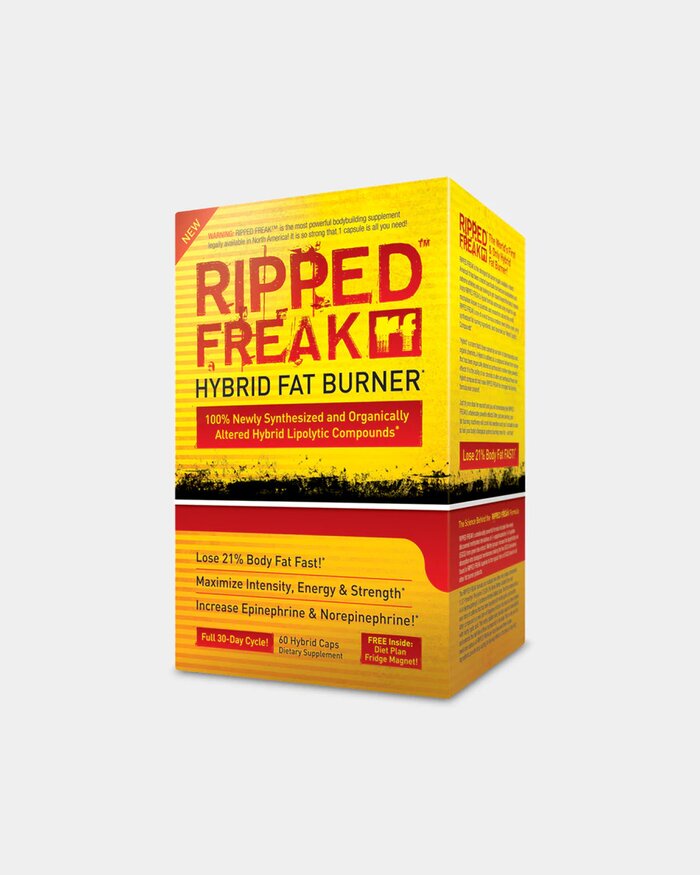
While there may not be a magic pill, there are fat-loss supplements that can help you lose weight more effectively in conjunction with a good workout program and diet. A great option for this kind of supplement is PharmaFreak Ripped Freak.

PharmaFreak Ripped Freak

PharmaFreak Ripped Freak

Here is a quick breakdown to show you how the ingredients work: 

  • Olive Leaf Oleuropein Aglycone - This helps stimulate receptors in the body that increase energy expenditure. To put it simply, it may help your body burn more calories easily. 

  • Sweet Red Pepper - This helps increase thermogenesis which means your body may be able to burn more calories through the production of heat in brown adipose tissue (fat). 

  • Caffeine - This helps increase energy expenditure as well while boosting exercise performance and alertness. 

Multivitamin 

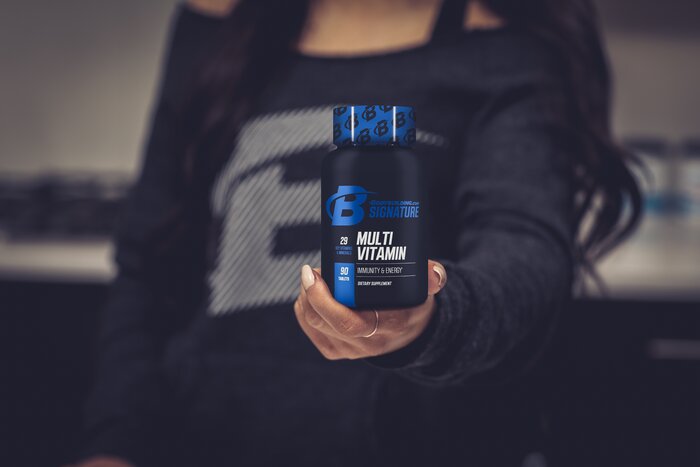
Just like a car needs oil to operate effectively, our body needs a certain amount of vitamins and minerals to operate effectively. This is especially important when you are trying to lose weight and a multivitamin will help ensure you’re filling any potential gaps in your diet. For a good option, check out the Signature Multivitamin! It contains 29 key vitamins and minerals.

Share:

Build Your Strength

 Our ultimate guide to gaining some serious strength

Build Your Strength

In order to reach any health and fitness goal, you need to build a solid strength foundation. To get you there, we have all of the resources you need for workouts, nutrition guidance on how to fuel your body, and supplements to help give you that edge! 

Create A Game Plan

Building strength won’t happen overnight, so you need to have your workouts planned out for the next couple weeks. If you don’t know where to start, Don’t worry! We got you covered with all of our strength gaining workout plans developed by some of the best industry experts and trainers in the world. No matter where you are, we have something for you. 

  • Beginners: If you’re just starting out and have no clue where to begin, our Serious Strength in 8 Weeks is a perfect plan for you. This structured plan uses a strategic approach to specific exercises and training volume that will help make you stronger and take your training to the next level. 

  • Intermediate: If you have been hitting the gym for some time now, but are looking for something to take you to the next level, then 5x5 For Muscle and Strength is calling your name! This program uses the decades old approach to building some solid strength, so definitely check it out! 

  • Advanced: If you have been there and done that, but want to take on a challenge, I dare you to check out PH3. This program was designed by well-known powerlifter and scientist, Layne Norton. It focuses on the three big lifts (bench, squat, and deadlift), but also adds in targeted accessory work to fill in all the gaps. 

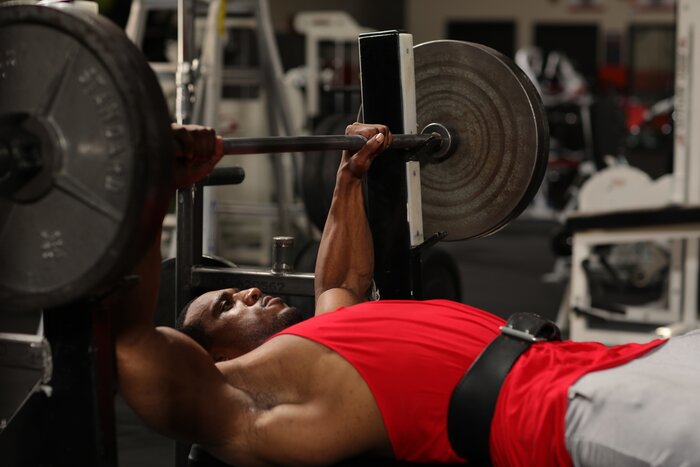
Bench Press

If you like your current workout split but want to build your strength specifically on your bench, go check out Bench 300. This plan is designed only for your chest days to help you break through that plateau! 

Eat, Eat, Eat 

Eating

When it comes to building your strength, you have to make sure you are giving your body the nutrients it needs to build and repair those muscles. This means you need to have a good balance of proteins, carbohydrates, and fats. Not exactly sure where they need to be, I recommend you check out our macronutrient calculator to get you started. With your goal of building strength, you’ll want to make sure you choose the right goal on that calculator, so it’s recommended you choose either main current weight or gain weight if you're looking for that little extra muscle as well. 

Once you’ve identified those nutrients, then it’s time to get your meal planning on! Go check out our top nutrition articles to help you land on the best diet for you. If you want to make it even easier, check out a meal delivery kit like Flex Pro Meals to really get you on track! 

Fill In Those Gaps

Now that we’ve gotten the two key pieces put together for building strength, it’s time to help fill in the gaps of our diet and give you that extra edge with supplements. 

Whey Protein

Bodybuilding.com Signature Whey Protein

While carbs and fats are important in order to build strength, protein could be considered the most important. A whey protein supplement is an easy way to give you the nutrients (Protein & Amino Acids) needed to recover and build muscle after those demanding workouts. 

Creatine 

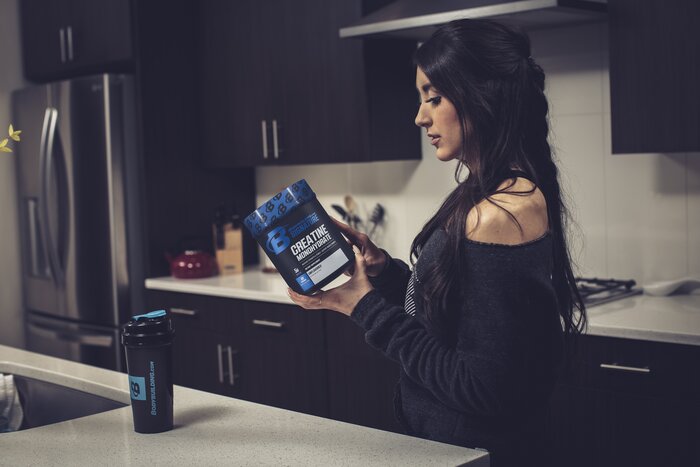
Bodybuilding.com Signature Creatine

With this being the most researched supplement on the market, most of those have been centered around creatine’s effect on strength and power output. Taking this consistently each day could certainly help you reach your goal quickly! 

Multivitamin

Bodybuilding.com Signature Multivitamin

Because of how demanding strength training can be, you will need all the nutrients you can get. A good multivitamin will help fill in those vitamin and mineral gaps you may not be getting from your diet. This will help your body operate efficiently, support overall health, potentially boost energy levels, and help your muscles recover.

Share:

The Importance Of Post-Workout Nutrition!

 If you've just finished up an awesome workout and are trying to decide what to eat, then this article is for you!

The Importance Of Post-Workout Nutrition!

From what I see on a daily basis, it's clear to me that most people in the gym are wasting their time investment. They're spending precious hours engaged in strength or endurance training programs that yield little or no results?

Need proof? When was the last time someone in your gym made any noticeable physical progress? In fact, when was the last time that you made any significant physical progress? Exercise training has the potential to yield huge returns on any given time investment. Isn't it a shame that most people don't ever see this magnitude of return?

Despite this disappointing reality, I'm here to tell you that hope is not lost. In fact, there's a very easy way to capitalize on your investment. You see, in most cases the exercise is not the problem. The problem is that people fail to invest in the other important commodity that, in combination with exercise, yields the biggest returns.

Now I could write a dozen articles focused on straightening out the nutritional problems of the world. In this article today, I intend to focus on what is, in my opinion, the most important aspect of exercise nutrition—eating during the post-workout period. The knowledge of how to eat during this time will maximize your efforts in the gym and yield the biggest returns on your time investment.

Remodeling And The Post-Workout Period

Exercise, both strength and endurance training, is responsible for countless health and aesthetic benefits. However the exercise itself is a significant physiological stressor. Perceived symptoms of this "stress" are often mild and include muscle soreness, the need for extra sleep, and an increased appetite.

These symptoms let us know that the exercise has depleted the muscle's fuel resources, caused some minor damage, and that the muscle is in need of replenishment and repair. While the words depletion and damage may sound like negative things, they're not if they only stick around for a short period of time. You see, these changes allow the muscle to adapt by getting better at the exercise demands placed on it.

Therefore if you're doing endurance exercise, the muscle will become depleted and damaged in the short run, but in the long run it will super compensate, building itself up to be a better aerobic machine. And if strength training is your thing, you'll tear down you're weaker muscle fibers in favor of building up bigger, stronger ones.

Post workout rest

In all cases, exercise essentially tears down old, less adapted muscle in order to rebuild more functional muscle. This phenomenon is called remodeling.

While the remodeling process is much more complex than I can describe here, it's important for me to emphasize that this remodeling only takes place if the muscle is provided the right raw materials. If I plan on remodeling my home I can hire a guy to tear down a couple of walls, a guy to clean up the mess, and a guy to come in and rebuild better walls than the ones that came down.

But if I don't give that guy any bricks, how's he going to get anything done? If I don't give him the bricks, all I'll have in the end is a much smaller, unfinished house.

The same holds true with exercise remodeling. In particular, during the exercise bout and immediately following it, exercise breaks down our muscle carbohydrate stores and our muscle protein structures. Then, the immune system comes in to clean up the mess.

And finally, signals are generated to tell the body to rebuild. However, as I hope you can now see, without the proper protein and carbohydrate raw materials, this building can't take place. You'll be left with muscles that never reach their potential.

So with this analogy, I hope it's obvious that this post-exercise period is not a time to take lightly. Remember, you spent a significant amount of time in the gym breaking down the muscle for a good reason. You want it to be better adapted to future demands.

So to realize full return on your time investment, you need to give the body the raw materials it needs, namely protein and carbohydrates.

Feeding Hungry Muscles

As I mentioned earlier, all trainees (male or female), regardless of their chosen mode of exercise, must take their post-exercise nutrition seriously in order to provide the muscle with the raw materials it needs. As all types of exercise use carbohydrates for energy, muscle carbohydrate depletion is inevitable. Therefore a post-workout meal high in carbohydrates is required to refill muscle carbohydrate/energy stores.

However any ol' amount of carbohydrates will not do. You need to consume enough carbohydrates to promote a substantial insulin release. Insulin is the hormone responsible for shuttling carbohydrates and amino acids into the muscle. In doing this, carbohydrate resynthesis is accelerated and protein balance becomes positive, leading to rapid repair of the muscle tissue.

Therefore, by consuming a large amount of carbohydrates, you will promote a large insulin release, increase glycogen storage, and increase protein repair. Research has shown that a carbohydrate intake of 0.8 to 1.2 grams per 1 kilogram of body weight maximizes glycogen synthesis and accelerates protein repair. However, unless you've had a very long, intense workout, 1.2g/kg may be a bit excessive as excess carbohydrate can be converted to body fat.

Carbohydrates

Therefore I recommend 0.8g of carbohydrate per 1 kilogram of body weight for speeding up muscle carbohydrate replenishment while preventing excess fat gain (van Loon et al 2000a).

In addition, since muscle protein is degraded during exercise, the addition of a relatively large amount of protein to your post exercise meal is necessary to help rebuild the structural aspects of the muscle. After exercise, the body decreases its rate of protein synthesis and increases its rate of protein breakdown. However, the provision of protein and amino acid solutions has been shown to reverse this trend, increasing protein synthesis and decreasing protein breakdown.

Researchers have used anywhere from 0.2g-0.4g of protein per 1 kilogram of body weight to demonstrate the effectiveness of adding protein to a post-workout carbohydrate drink (van Loon et al 2000b, Roy et al 1998). As an increased consumption of the essential amino acids may lead to a more positive protein balance, 0.4g/kg may be better than 0.2g/kg.

While your post-workout feeding should be rich proteins and carbohydrates, this meal should be fat free. The consumption of essential fats is one of the most overlooked areas of daily nutritional intake but during the post workout period, eating fat can actually decrease the effectiveness of your post-workout beverage. Since fat slows down transit through the stomach, eating fat during the post workout period may slow the digestion and absorption of carbohydrates and proteins.

As your post-workout feeding should be designed to promote the most rapid delivery of carbohydrates and protein to your depleted muscles, fats should be avoided during this time.

Finally, another important factor to consider is the timing of this meal. It is absolutely crucial that you consume your post-workout meal immediately after exercise. As indicated above, after exercise, the muscles are depleted and require an abundance of protein and carbohydrate. In addition, during this time, the muscles are biochemically "primed" for nutrient uptake.

Protein

This phenomenon is commonly known as the "window of opportunity". Over the course of the recovery period, this window gradually closes and by failing to eat immediately after exercise, you diminish your chances of promoting full recovery. To illustrate how quickly this window closes, research has shown that consuming a post-exercise meal immediately after working out is superior to consuming one only 1 hour later.

In addition, consuming one 1 hour later is superior to consuming one 3 hours later (Tipton et al 2001, Levenhagen et al 2001). If you wait too long, glycogen replenishment and protein repair will be compromised.

In conclusion, when you decided to start exercising you decided to give up a specific amount of time per week in the interest of getting better, physically. However, if you haven't spent the necessary time thinking about post-exercise nutrition, you're missing much of the benefit that comes with exercising.

I assure you that once you start paying attention to this variable in the recovery equation, your time in the gym will be much better invested.

Whole Food Vs. Nutritional Supplementation

While I wholeheartedly believe that complete, unbleached, untreated, and unprocessed whole food should form the basis of any sound nutritional regimen, there are some instances in which supplements can actually be superior to whole food. In the case of post-exercise nutrition, I believe that liquid supplemental nutrition is far superior to whole food for the following reasons.

1. Liquid Meals Are Palatable and Digestible

Typically, after intense exercise, most people complain that eating a big meal is difficult. This is understandable as the exercise stress creates a situation where the hunger centers are all but shut down. However, as you now know, it's absolutely critical that you eat if you want to remodel the muscle, enlarge the muscle, or recover from the exercise.

Fortunately liquid supplemental formulas are palatable, easy to consume, and can be quite nutrient dense, providing all the nutrition you need at this time. In addition, since these formulas are structurally simple (I'll save the biochemistry for another article), the gastrointestinal tract has no difficulty processing them. Your stomach will thank you for this.

2. Liquid Meals Have A Fast Absorption Profile, Whole Food Is Just Too Slow

The latest research has demonstrated that liquid supplemental formulas containing fast- digesting protein (whey hydrolysates and isolates) and carbohydrates (dextrose and maltodextrin) are absorbed more quickly than whole food meals.

To put this into perspective, a liquid post-exercise formula may be fully absorbed within 30 to 60 minutes, providing much needed muscle nourishment by this time. However, a slower digesting solid food meal may take 2 to 3 hours to fully reach the muscle.

3. Liquid Meals Take Advantage Of The "Window Of Opportunity", Whole Foods May Miss It

The faster the protein and carbohydrates get to the muscle, the better your chances for muscle building and recovery. Current research has demonstrated that subjects receiving nutrients within one hour after exercise recover more quickly than subjects receiving nutrients three hours after exercise. Liquid nutrition is making more sense, isn't it?

4. Liquid Meals Are Better For Nutrient Targeting

During the post exercise period, specific nutrients maximize your recovery. These include an abundance of water, high-glycemic index carbohydrates, and certain amino acids (in specific ratios). It's also best to avoid fat during this time. So the only way to ensure that these nutrients are present in the right amounts is to formulate a specific liquid blend. Whole foods may miss the mark.

Share:

24 Laws Of Eating For Muscle

 A great workout is just the beginning when it comes to building muscle. Here are some key nutrition and supplementation tips for the other 23 hours of your day.

24 Laws Of Eating For Muscle

Americans are experts on gaining size. Sadly, with over a third of our population classified as obese, that's not the kind of "mass" you're after. Yet that's exactly what indiscriminate eating and a lack of exercise can do for you.

If you're committed to a resistance-training program, you can instead pack on muscle by following a number of key nutrition and supplementation tips. But first you'll have to toss out any remnants of how most Americans eat.

To gain the right kind of mass, we enlisted two captains of the Muscle Militia, Twinlab athletes Ronnie Milo and Jason Wheat, to help us compile the 24 tips presented below.

Sure, eating clean and healthful foods is more difficult than eating whatever you want, but we're pretty sure you don't want to look like that other 33 percent.

1. Tip The Scales

Whether you're just trying to add some off-season size, or you're a hard-gainer who has trouble adding mass, growing muscle means consuming more calories—assuming you're already training hard. While you can log your meals over the course of a week to compute your average daily calories, perhaps the simplest step is to consume one additional mini-meal during your day that adds calories over and above what you normally eat.

null

Whether you're just trying to add some off-season size, or you're a hard-gainer who has trouble adding mass, growing muscle means consuming more calories—assuming you're already training hard.

By ensuring you have a caloric surplus, you provide your muscles with the raw materials to repair tissue damage brought on by heavy training to support growth.

A mini-meal of about 300 calories can be inserted anywhere during your day, preferably during your longest stretch between whole-food meals.

2. Assess And Grow

If, after two weeks, the scale still isn't budging, and you're not seeing gains in strength with the addition of a single mini-meal, add another. (The scale can't be your sole determinant, because you may be dropping body fat while you're adding muscle, in which case the scale may not budge.)

By increasing your daily calories slowly, any gains you make are less likely to be ones that ring your midsection. The extra meal will have to become part of your daily routine as well. This is especially true for hard-gainers and individuals with a fast metabolism who have difficulty adding muscle.

3. Eat More Meals More Often

If you're active and train hard, you likely burn a lot of calories each day. It's very difficult to eat clean foods that replace all the energy you've spent in just three meals. That's why bodybuilders—competitive and recreational alike—eat 5-8 meals per day to support mass-building. While most individuals still eat breakfast, lunch, and dinner, they also eat a number of high-protein snacks as well.

If you're looking to add size, it makes sense to eat multiple meals every day, not just three. Taking your meals to work or school means planning and preparation, but it's an essential habit that separates those who succeed from those who don't.
null

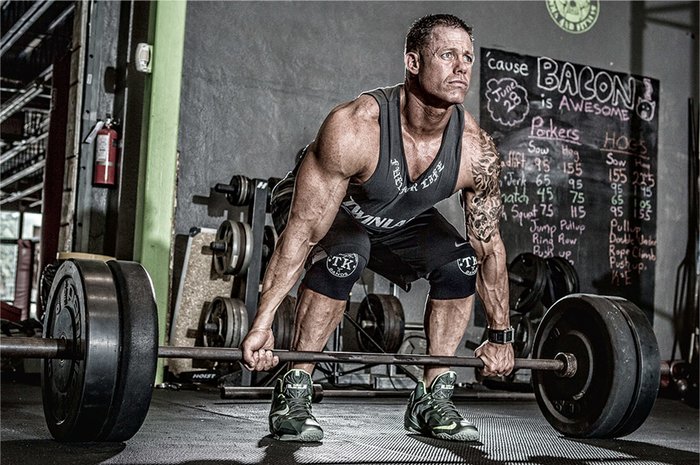
I split my macros into eight meals so i'm eating a meal about every 2.5 hours. I like to eat that often so i'm never hungry.

"I eat eight times a day," says Orlando fireman and Twinlab Muscle Militia captain Jason Wheat, a former defensive lineman in college football who now competes in powerlifting. "I split my macros into eight meals so I'm eating a meal about every 2.5 hours. I like to eat that often so I'm never hungry. When I get hungry or miss a meal, I tend to want to cheat, or overeat. If I do get hungry and need a snack, my go-to is either a tablespoon of peanut butter or a handful of almonds, which I would count against my macros for the next meal."

"This is where supplementation is key," says Militia member and amateur bodybuilding champion Ronnie Milo of Sunrise, Florida. "Supplements allow you to to add extra calories to aid you in your goals. We all know that it's difficult to try and increase your calories from whole-food sources alone. It's a challenging task to eat as many times as possible and then add more calories on top of that."

4. Protein Counts

Protein foods are broken down into amino acids, which are then reassembled in your body. The aminos that enter muscle cells can help repair muscle tissue damaged from a hard workout, enabling them to grow larger. How much protein does a hard-training bodybuilder need? More than the average Joe who doesn't train, so beware of lowball estimates intended for the general public.

The simplest way to remember how much protein you need each day is to use your body weight in pounds. Hence, if you weight 210 pounds, try to consume at least 210 grams of protein per day. If you eat six meals and mini-meals a day, that's 35 grams per meal.

For card-carrying Militia members, sometimes even that's not enough. "I recommend 1 gram minimum, up to 2 per pound of bodyweight," says Wheat. "The more active you are, the more protein your muscles need for growth.

5. Eat Clean

You have any number of food options for a given meal that have various macronutrient and micronutrient profiles, but remember the old adage: "You are what you eat."

"I believe the most important aspect of gaining quality weight is high-quality food choices," says Milo. "Your body needs quality food and nutrients to aid in performance and recovery. A lot of beginners and advanced athletes make mistakes when trying to add quality weight, making poor food choices like fast foods or processed foods."

6. Whole-Food Proteins

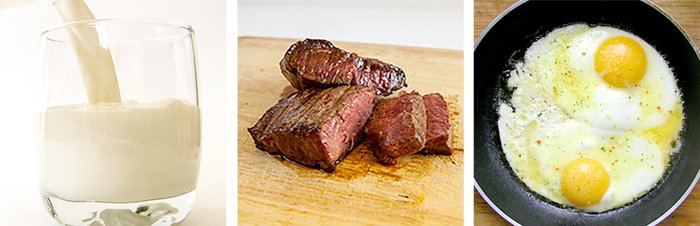
Get your protein from a variety of whole-food sources including dairy, fish, fowl, steak, and eggs. Choose leaner cuts of steak (opt for "loin" and "round" cuts, which have the lowest amounts of saturated fat) and remove the skin from turkey and chicken.

null

Fattier cuts of beef like prime rib and even ribeye, as well as higher-fat dairy products, can cause your calories and daily fat intake to skyrocket. You want to moderately increase your daily calories, and too much dietary fat that's consumed with your protein foods can quickly contribute to the wrong kinds of weight gain.

7. Measure Your Intake

What Does 40 Grams Of Protein Look Like?

  • 5-1/2 oz. top sirloin
  • 5-1/2 oz. chicken breast
  • 6 large eggs
  • 6-1/2 oz. tilapia
  • 5 cups low-fat milk
  • 2 scoops protein powder

It's one thing to read that you need 40 grams of protein at each meal, but do you know what that looks like if you're in a cafeteria line or throwing chicken breasts on the barbecue? And how many ounces of steak is that?

Learn how to eyeball what 40 grams of protein looks like to ensure you're getting enough of this muscle-building nutrient at each meal.

8. Fix It Right

The right choices of protein-rich foods like chicken breast can be spoiled by the wrong preparation methods. When preparing your foods at home, try grilling or broiling your meats; battered and fried foods boost fat-content and calories, and are less healthy.

Avoid oils, butter, and sauces in favor of a can of six-pack friendly Pam whenever you can.

9. Don't Fear Saturated Fat

If you eat protein from animal sources, you're also getting saturated fat with your protein. You don't want to go overboard, but nor should you cut out saturated fats completely; they're important for hormone production and the fat-soluble vitamins ADE, and K. "A low-fat diet can, over time, lower your testosterone levels, which will hinder your muscle gains," says Wheat.

While recent research shows that saturated fat intake may not be linked to greater risk of heart disease, evidence does show that replacing saturated fat with foods that are high in polyunsaturated fats does reduce cardiovascular risk.

On a mass-building plan, you should be getting 25-30 percent of your daily calories from dietary fats. Divide your fat intake between healthier versions (including olive and canola oils, nuts and seeds, fatty fish) and saturated fats (which are contained in animal proteins such as dairy, meat, and eggs).

10. Consume Liquid Calories

Prepping for each and every meal is next to impossible unless you work from home, so a scoop or two of powder in a shaker cup is a great way to drink your calories between meals. Besides keeping amino acids in constant supply in your bloodstream, you inhibit the snack attack that can creep up on you between whole-food meals, reducing your risk of impulsively choosing the wrong foods when you're really hungry.

"My days can be lengthy at times with travel and meetings," says Milo, who is also Sports Nutrition Regionals Sales Manager with Twinlab. "I rely on quality supplements to fill a quick meal or energy source. This also keeps me from making bad food decisions when food isn't always on hand."

Looking for a quick food fix? Whey protein isolate dissolves easily with water so you don't need a blender. What's more, liquid meals are absorbed quickly and won't adversely affect your appetite for your bigger whole-food meals later in the day.

If you find it challenging to eat a large number of calories at a whole-food meal, liquid calories can help make up the difference.

11. Ignore Your Sweet Tooth

Sugar-sweetened drinks and processed foods are nutritional landmines. These empty calories displace healthier options that could've been hard at work helping you add quality mass. Clean your kitchen of these unhealthy foods so you're not tempted when a craving arises.

Also, never go grocery shopping on an empty stomach. And eat a high-protein food before you leave the house on weekends when you're running errands, so you're not hungry and don't give in to fast-food cravings.

TwinLab Mega Creatine Fuel
Support Strength And Power!

12. Cheat To Win

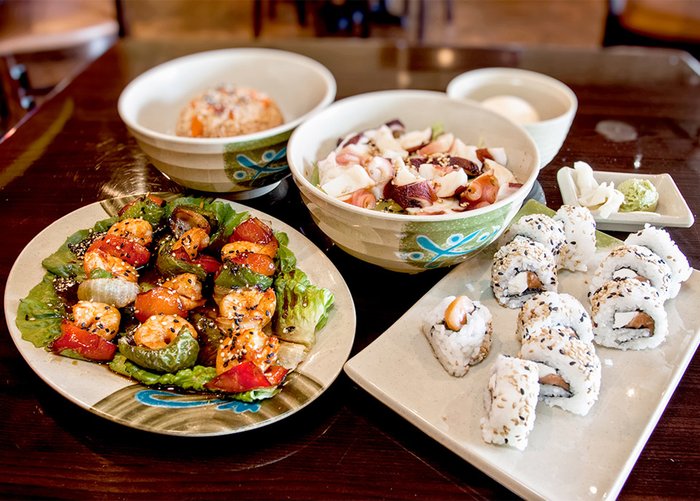
It's nearly impossible to eat clean all the time, so allowing yourself a cheat meal at regular intervals—say, on a weekend afternoon—can make sticking to a diet easier, and the bump in calories may help boost growth.

Just watch that you don't overdo a cheat meal and make it a cheat day—or worse, a cheat weekend—which can then throw you completely off a clean diet. Use cheat meals as rewards for a good week of clean eating. Use moderation. Resist the urge to splurge.
null

Allowing yourself a cheat meal at regular intervals—say, on a weekend afternoon—can make sticking to a diet easier, and the bump in calories may help boost growth.

13. Choose Slower Carbs

Nearly half of your total daily calories come from carbohydrates, but there's a big difference between the simple ones and the complex variety. Complex carbs such as brown rice, whole grains, yams, sweet potatoes, and quinoa are longer chains of sugar molecules—hence they take longer to digest and absorb.

The benefit is that you'll have sustained energy throughout the day, and the lower insulin response means you'll be less likely to store any excess calories as body fat. Opting for complex carbs with minimal processing is better for your health and to keep body fat in check.

14. Speed It Up Post-Workout

The only time a high-glycemic carb (think sugars like dextrose and glucose and highly processed carbs like bagels and white rice) is your carb of choice should be after your workout, when your muscles are hungry to replenish spent glycogen stores.

The insulin spike helps drive those fast carbs—and, of course, the 40 grams of protein you consumed with it—quickly into cells for repair and growth. This insulin spike that you can manipulate post-workout is one reason why carbs are called the anabolic nutrient. Consuming simple sugars at any other time is more likely to contribute to gains in body fat.

What you don't need to do is go sprinting to the front desk to slug down a protein shake the instant your last set ends. The influx of protein can wait till you get home, son.

15. Dine Out With Descretion

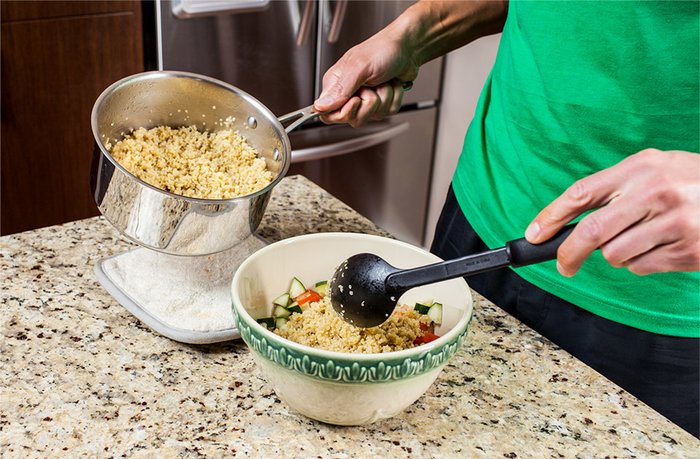
As obesity has skyrocketed in recent decades, so has the number of times Americans eat out. Many Americans visit restaurants twice as often as they did 30 years ago. The problem with eating out is that it encourages the wrong kind of mass-building.
null

Make your meals and eat at home as much as possible, and limit trips to restaurants to just once a week

With larger portion sizes, unlimited drink refills, and tempting desserts, you're almost guaranteed to overeat. The lesson? Make your meals and eat at home as much as possible, and limit trips to restaurants to just once a week.

16. Bring Order To Your Orders

When you do eat out, scan the menu for the cleanest protein foods you can find. If you don't see one, ask your server if one can be made without sauces or oils. "The majority of restaurants have choices like plain grilled chicken, beef, or fish," says Milo. "Most of them will work within your needs—all you have to do is ask." Well, they don't say no to Milo, anyway...

Side salads (dressing on the side) and veggies make good side choices to contain total calories. With some dessert choices topping 1,000 calories, you could end up having to do three hours on the bike just to burn that off. Opt for fruit if you must have something sweet.

17. About That Fast Food Meal

We've all been there: You're in a terrible hurry, have no food, and you're starved. Whatever Golden Arches you pull into, you're surround by bad food choices that'll tally up a day's worth of fat and sodium in a single meal. If you can muster any willpower, opt for a grilled chicken sandwich (or two, if you eat like a bodybuilder) and ditch the buns. You can't go wrong with a salad either, unless you slather it in dressing.

The come-hither smell of French fries can be hard to resist; but resist you must. Here again, get the 40 grams of protein and fill up with veggies as best as possible. French fries, by the way, do not count as a clean potato.

18. Eat A Pre-Bed Snack

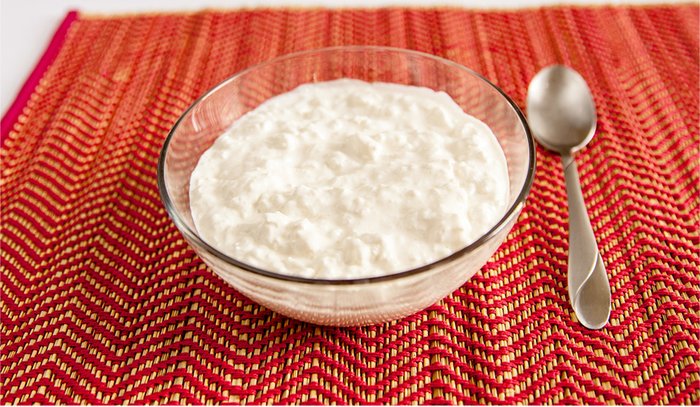
Late-night munchies can ruin a day's effort of clean eating, so if you're looking for a midnight meal, a shake made of slow-digesting micellar casein protein can feed your muscles during your nightly slumber. A half-cup of cottage cheese is also high in casein, and provides 14 grams of protein.
null

A half-cup of cottage cheese is also high in casein, and provides 14 grams of protein..

Add some almonds and you get essential fats and some added protein as well. Carb-oholics watch out: Consuming too many at bedtime can elevate insulin levels, meaning those extra calories can more easily be shuttled into fat stores.

19. Creatine Boosts Metabolism

The importance of whey isolate and casein for boosting your protein intake can't be overstated, but other supplements can support anabolism too. Creatine monohydrate, in fact, is well supported by research to boost strength and size gains. Naturally found in red meat, creatine increases the volume of muscle cells, which helps signal anabolism, as well as short-term energy.

20. The Three Amigos

The branched-chain amino acids—leucineisoleucine, and valine—are also a part of a mass-building supplement stack. They share a unique structure that's preferentially taken up by muscle, and ingestion directly stimulates anabolism. The supplement can also reduce exercise-induced muscle pain and decrease mental fatigue during intense exercise.

21. Boost Blood Flow

L-arginine is a conditionally essential amino acid that helps produce nitric oxide, which has been shown to elevate skeletal muscle blood flow. This not only allows for improved delivery of nutrients but also greater clearing of metabolic byproducts (sometimes called waste products) in working muscles. This helps you work out longer and harder. L-arginine has also been shown to increase anabolic substrates like growth hormone and insulin.

22. Never Miss A Meal

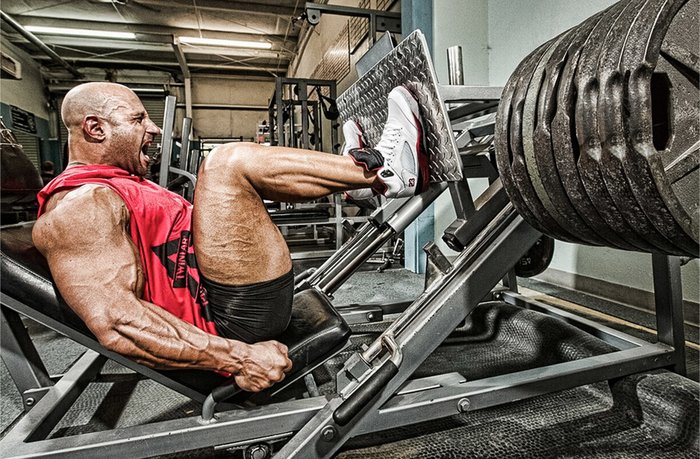
We can all get caught up with our schedules and appointments, running late, and skipping meals. But I'll bet you almost never miss a workout. Adopt the mindset that missing a meal is as bad as missing a workout. That might mean planning and preparing meals on weekends, carrying a cooler, and occasionally carrying snacks with you on the go.
null

We can all get caught up with our schedules and appointments, running late, and skipping meals. But i'll bet you almost never miss a workout.

If your goal is mass, you can't expect results when you're not fully committed. We all have demanding schedules and important obligations; what separates winners from losers is planning and commitment, not making excuses.

"The best way to stick to a diet is preparation and consistency," says Milo. "Preparation is key. This will aide you in staying on the right track, and deter you from making bad decisions."

23. Make Time For A Good Start

What's the second thing you do in the morning (after hitting the snooze button a few times)? Eating a hearty breakfast had better be your answer, because you've probably gone up to 10 hours without eating. If your morning meal includes a cartoon tiger, we can likely guess why you're not adding quality mass.

Get those 40 grams of protein with eggs or egg whites, slices of beef or chicken, a glass of milk, or a high-protein cereal. If you're in a hurry, a morning protein shake is the way to go.

24. Sleep For Gains

You train hard and eat right, so what could be missing? Since your muscles get stimulated during your workout but actually grow during your recovery periods, ensure you're allotting enough time for a restful night's sleep. Consider this sleep stack to nourish your muscles all night long: melatoninmicellar caseinZMAgamma-aminobutyric acid (GABA), and 5-Hydroxytryptophan (5-HTP).

The slow-releasing casein defends against muscle catabolism, while ZMA (which contains zinc) has been shown to increase testosterone and IGF-1 levels. GABA and 5-HTP both promote healthy, deep sleep, which is essential for GH release and muscular recovery.

Share:

Custom Widget

3/Business/post-per-tag

Labels

Powered by Blogger.

Subscribe Us

Sign Up for Email Updates

Search This Blog

Blog Archive

Labels

Popular Posts